

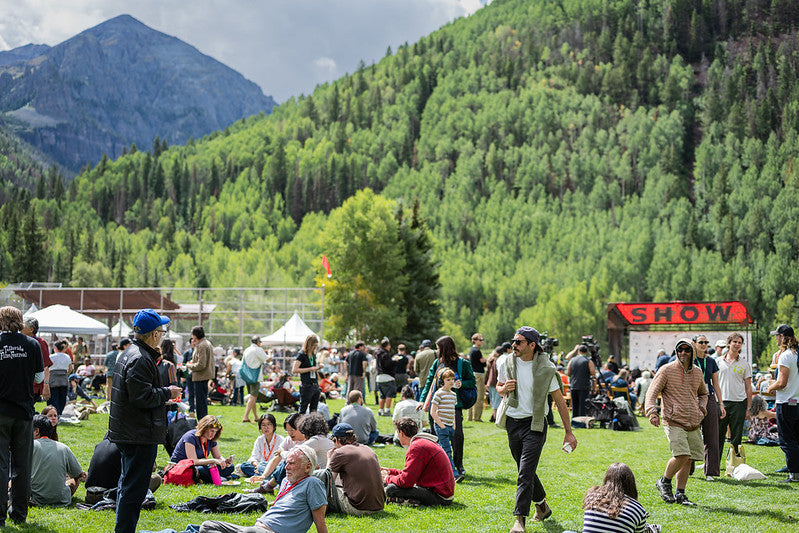
For busy professionals and parents juggling work, home responsibilities, and constant notifications, the hardest part of modern life isn’t effort, it’s the emotional disconnect between who they feel like on vacation and who they become in everyday routines. Vacation joy tends to return a sense of ease, attention, and personal space, while everyday stress narrows life into tasks, deadlines, and low-grade tension. Over time, that gap quietly erodes work-life balance and puts pressure on mental health for general readers, even when everything looks “fine” from the outside. The goal isn’t to live like it’s a resort; it’s to build stress relief strategies that restore the same internal reset at home.
Why Vacations Feel So Different
At its core, a vacation works because it restores three missing ingredients: freedom of choice, novelty, and emotional balance. That balance is the ability to notice feelings without getting stifled or overwhelmed, as the idea of emotional balance describes. Daily life often strips those away through routine fatigue, constant context-switching, and digital overload that keeps your brain on alert.
This matters because you cannot “fix” your mood with willpower if the environment keeps pushing the same stress buttons. When you redesign for freedom and novelty, you get more patience, clearer focus, and steadier energy.
Think about how you feel on day two of a trip: you choose breakfast, notice small details, and your mind finally quiets. Compare that with mornings that start with email, traffic, and ten tiny decisions before 9 a.m. A simple creative ritual can reintroduce that calm, travel-like spark through peaceful visuals and anticipation.
Create a 10-Minute “Trip Mood Board” to Spark Calm
When everyday life feels emotionally packed with obligations, a small dose of vacation imagery can bring back the looseness and presence you feel on a trip. Try creating AI art inspired by a peaceful destination, a favorite travel memory, or a dream experience you’d love to have someday. Even a few minutes of visual daydreaming can add creativity, relaxation, and a sense of everyday escape to your environment, something you can glance at when you need to mentally “step away.” If you want to make those scenes feel more alive, an AI artwork generator can quickly turn text prompts, sketches, or images into dynamic 2D and 3D animations, so you can translate your idea into a short animated video without advanced design skills.
Daily Micro-Getaway Habits That Actually Stick
These habits turn “vacation energy” into something you can practice, not just wish for. When you repeat small cues of rest, novelty, and presence, your body learns to shift gears faster, even on busy weeks.
Sunrise or Sunset Check-In
- What it is: Step outside and notice light, temperature, and sounds for two minutes.
- How often: Daily
- Why it helps: It anchors you in the moment like the first minutes of a trip.
One-Scene Lunch Break
- What it is: Eat one meal without screens, focusing on taste and texture.
- How often: 3 to 5 times weekly
- Why it helps: You get a clear mental break instead of a rushed refuel.
Five-Minute Breath Downshift
- What it is: Do a five-minute breathing exercise before a transition like dinner.
- How often: Daily
- Why it helps: It signals safety and slows stress momentum.
Novelty Slot
- What it is: Schedule one new micro-experience such as a new route or recipe.
- How often: Weekly
- Why it helps: Novelty recreates the “new place” feeling without travel.
Everyday Vacation Mindset: Common Questions
Q: How can I do this when I barely have time to breathe?
A: Shrink the goal until it is almost too easy: 60 seconds outside, three slow breaths, or one screen-free sip of coffee. Pair it with something you already do, like washing your hands or starting the car. Consistency beats duration.
Q: What if responsibilities make it impossible to feel relaxed?
A: Aim for relief, not perfection. Choose one boundary you can keep today, like a two-minute pause before walking in the door or a quieter commute. Even small resets lower the chance you carry work stress into family time.
Q: How do I keep going when my motivation disappears?
A: Treat it like training, not willpower. Research on times to reach habit formation shows it often takes weeks and varies widely, so a messy start is normal. Keep the habit tiny and track streaks, not intensity.
Q: Can mindfulness help if I think it is not for me?
A: Mindfulness can be practical, not mystical: notice one sound, one sensation, and one sight, then return to what you are doing. Evidence that present-focused attention supports positive emotional shifts can make it easier to try without overthinking it.
Q: Should I do multiple rituals at once to get results faster?
A: Start with one and make it reliable for two weeks. Once it feels automatic, add a second habit on your easiest day of the week. Slow stacking prevents burnout.
Build a Daily Vacation Mindset for Steadier Emotional Well-Being
Modern life doesn’t pause for rest, so it’s easy to drift into a week that feels like one long obligation. The daily vacation mindset offers a practical way to meet real responsibilities while making intentional lifestyle changes that create more ease and presence. With a consistent reflective practice, small shifts become noticeable signals of sustained emotional balance rather than one-off bursts of relief. Treat ordinary days like they deserve your attention, not just your endurance.


